

 See My Latest Article on HelloNation
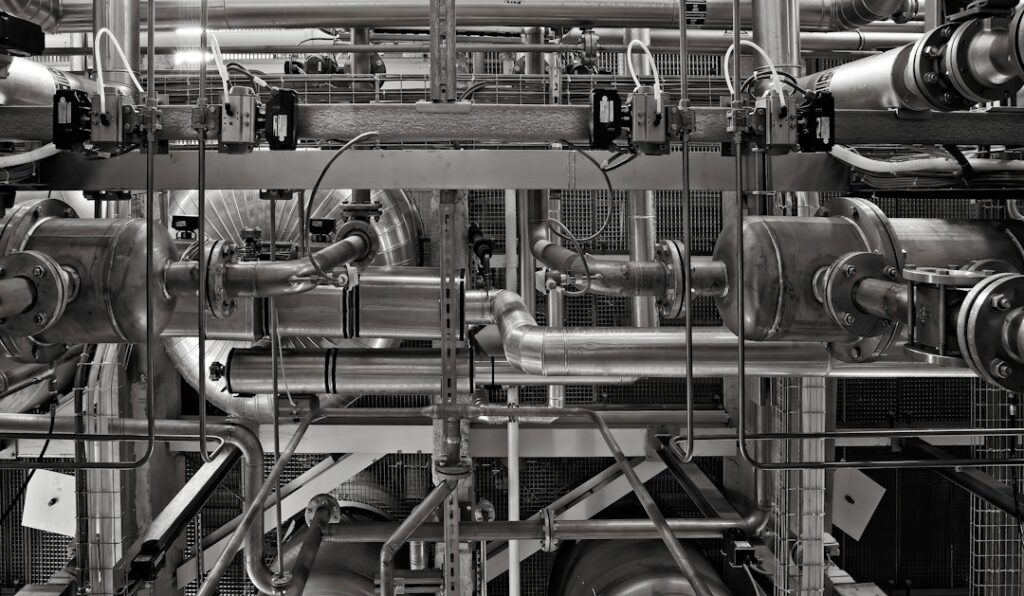
Process piping is the network of pipes, valves, pumps, fittings, and controls used to move fluids and gases through an industrial facility. Unlike ordinary building plumbing, process piping is designed around a specific manufacturing, treatment, heating, cooling, or production process.
For residents of Quincy, IL, understanding this infrastructure can make industrial facilities easier to interpret. Pipes running between buildings, tanks, boilers, compressors, and production equipment may carry water, steam, chemicals, fuel, compressed air, or waste materials. Each system has different design, safety, and maintenance requirements.
What is process piping?
Process piping transports materials that are part of an industrial operation. The material may be a raw ingredient, a finished product, a cleaning solution, a utility fluid, or a waste stream.
A process piping system can include:
- Straight pipe sections and elbows
- Flanges, threaded connections, and welded joints
- Manual and automated valves
- Pumps, compressors, heat exchangers, and tanks
- Pressure gauges, temperature sensors, and flow meters
- Supports, anchors, insulation, and protective coatings
- Drain, vent, relief, and sampling connections
The piping layout is determined by how the facility operates. A system that carries hot water has different requirements from one carrying compressed gas or a corrosive liquid. Pipe size, wall thickness, material, pressure rating, temperature range, and connection method must all match the service.
How is process piping different from ordinary plumbing?
The main difference is purpose and operating conditions. Building plumbing generally delivers potable water, removes wastewater, or distributes standard heating and cooling fluids. Process piping supports production and may operate continuously under elevated pressure, high temperature, vacuum, or chemically aggressive conditions.
Process piping also tends to involve more detailed engineering. Designers must consider:
- Flow rate and pressure loss
- Temperature changes and thermal expansion
- Chemical compatibility
- Equipment vibration
- Pipe flexibility and movement
- Cleaning and drainage requirements
- Access for inspection and repairs
- Consequences of leaks or contamination
A pipe that appears oversized or unusually supported may be designed for expansion, vibration control, or emergency operating conditions. Visual appearance alone does not reveal the full purpose of a system.
What materials are used for industrial piping?
The material depends on the fluid, temperature, pressure, and environment. Carbon steel is common for many utility and industrial services because it is strong and relatively durable. Stainless steel is often selected where corrosion resistance, cleanliness, or product purity is important.
Other materials may include:
- Copper for selected water, refrigerant, or utility applications
- Plastic piping for certain corrosive or lower-temperature services
- Lined steel for fluids that could attack the pipe wall
- Alloy materials for demanding temperature or chemical conditions
- Ductile iron or specialized systems for some water and waste services
Material selection must account for more than corrosion. A fluid may be compatible with a pipe wall but harmful to seals, gaskets, valve seats, or flexible connectors. The complete system has to be evaluated.
Why are pipe supports and expansion loops necessary?
Pipe supports keep piping aligned, distribute its weight, and prevent excessive movement. A large pipe filled with liquid can be much heavier than it appears, especially when insulation, valves, and attached equipment are included.
Industrial piping also expands when heated and contracts when cooled. A long steel pipe exposed to steam or hot process fluid may change length noticeably. Engineers manage this movement with:
- Expansion loops
- Flexible connectors
- Sliding supports
- Guides and anchors
- Expansion joints in selected applications
- Carefully arranged changes in direction
Without proper flexibility, thermal movement can place stress on pipe walls, welds, flanges, equipment nozzles, and supports. This can lead to leaks, distortion, or premature failure.
How are process piping systems kept safe?
Safety depends on design, installation, inspection, operation, and maintenance. Relief devices protect equipment from excessive pressure. Isolation valves allow sections of piping to be shut off for maintenance or emergencies. Drains and vents help remove trapped liquid, gas, or air before work begins.
Facilities may also use:
- Secondary containment around tanks and vulnerable connections
- Leak detection systems
- Emergency shutdown controls
- Pressure and temperature alarms
- Insulation or shielding for hot surfaces
- Labels, color coding, and flow-direction arrows
- Locked or controlled valve arrangements
- Written procedures for startup, shutdown, and cleaning

A pipe label should not be treated as the only safety control. Labels can become damaged or inaccurate, and some fluids may be hazardous even when the pipe is not visibly marked. Maintenance work often requires verifying the actual contents, pressure, temperature, and isolation status of the line.
What should residents understand about industrial piping near the community?
Most process piping is contained within controlled industrial areas, but nearby residents may notice elevated pipe racks, storage tanks, vents, cooling equipment, or periodic operating sounds. These features do not automatically indicate a problem. Industrial facilities routinely release heat, water vapor, air, or treated exhaust through controlled systems.
Seasonal conditions in Quincy can affect how industrial piping performs. Freezing temperatures can expose outdoor water lines, fire protection piping, drains, and instrument tubing to damage if they are not insulated, heat-traced, or properly drained. Summer heat can increase thermal expansion and place additional demand on cooling systems. Heavy rain and changing groundwater conditions can also affect outdoor drainage, buried utilities, and equipment foundations.
Visible vapor is not always smoke. A white cloud may be condensed water vapor, particularly during cold weather. However, unusual odors, persistent discoloration, liquid releases, loud pressure-relief events, or visible damage should be treated seriously and reported through the appropriate local emergency or facility communication channel rather than investigated directly.
What are common process piping problems?
Many failures begin with small changes that are overlooked. Common problems include corrosion, leaking gaskets, weakened supports, damaged insulation, blocked drains, valve deterioration, and vibration.
Other warning signs may include:
- Rust staining around joints or supports
- Wet insulation or unexplained puddles
- Repeated pressure fluctuations
- Unusual pipe movement
- Hammering or banging during startup
- Frost on a line that should not be cold
- Persistent hissing or whistling
- Cracked paint, bulging surfaces, or damaged protective coatings
The meaning of a symptom depends on the service. Frost may indicate a refrigeration or gas-related condition, while water under insulation may conceal corrosion. Noise may result from normal flow, but it can also signal flashing, cavitation, trapped air, or water hammer.
How is process piping inspected and maintained?
Inspection programs combine routine observation with planned testing. Operators may check pressure, temperature, flow, valve position, pump performance, and visible pipe condition. More detailed inspections can examine welds, wall thickness, supports, relief devices, and corrosion under insulation.
Maintenance may involve:
- Replacing worn gaskets and valve components
- Cleaning strainers and filters
- Repairing insulation and protective coatings
- Testing alarms and shutdown systems
- Measuring pipe-wall thickness
- Checking supports and anchors
- Flushing or cleaning lines
- Verifying relief devices and instrument accuracy
Safe maintenance requires proper isolation, depressurization, draining, venting, and verification. A line that appears inactive may still contain trapped pressure, hazardous material, or extreme temperature.
Why does process piping require specialized engineering?
Process piping connects the physical layout of a facility with its operating goals and safety requirements. A design must account for fluid behavior, equipment interaction, structural movement, construction methods, inspection access, and emergency conditions.
That is why process piping is more than a collection of tubes and valves. It is an engineered system intended to move materials predictably while protecting workers, equipment, the surrounding community, and the environment.