

 See My Latest Article on HelloNation
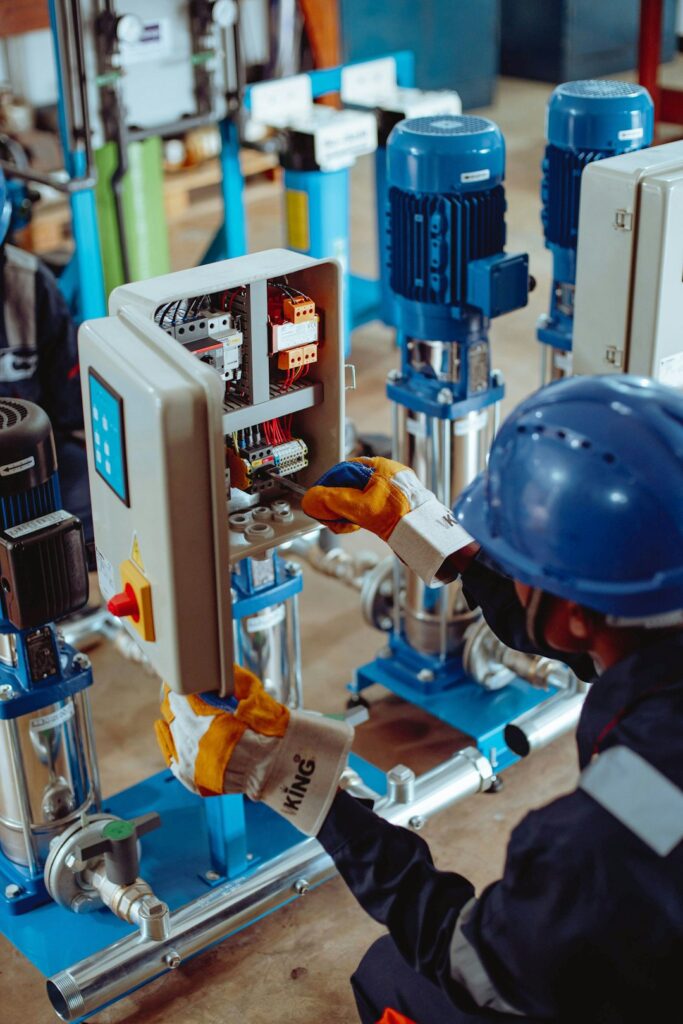
What does process mechanical engineering do?
Process mechanical engineering helps industrial facilities move, heat, cool, mix, separate, store, and control materials safely and efficiently. It connects production goals with the physical systems that make manufacturing possible.
A process mechanical engineer may work on:
- Piping systems that carry liquids, gases, steam, chemicals, or powders
- Pumps, compressors, fans, heat exchangers, tanks, and pressure vessels
- Heating, cooling, ventilation, and compressed-air systems
- Equipment layouts and access for operation and maintenance
- Flow control, pressure control, temperature control, and material handling
- Safety features that reduce the risk of leaks, overpressure, contamination, or equipment failure
The work is different from designing a single machine in isolation. Process mechanical engineering considers how equipment operates as part of a connected production system.
How does it support industrial manufacturing?
Process mechanical engineering supports manufacturing by making production systems reliable, coordinated, and practical to operate. A process may appear simple on a diagram, but its real performance depends on pipe sizing, equipment selection, temperature control, material compatibility, maintenance access, and operating conditions.
For example, a facility producing food ingredients may need a system that transfers liquid materials between storage tanks and processing equipment. The engineering design must account for flow rate, cleaning requirements, pump capacity, pipe routing, temperature, and the possibility of contamination.
In another facility, compressed air may power valves, tools, and automated equipment. If the air system is undersized, poorly arranged, or affected by moisture, production interruptions can follow. Proper mechanical engineering helps match the system to actual demand instead of relying on assumptions.
What systems are commonly involved?
Industrial manufacturing uses many types of process mechanical systems. Their complexity depends on the product, production volume, materials, and operating environment.
Piping and fluid systems
Piping is often the physical network that connects an industrial process. Engineers determine pipe diameter, materials, wall thickness, routing, supports, valves, drains, vents, and insulation.
A properly designed system must move material at the required rate without creating excessive pressure loss or damaging sensitive products. It also needs practical features such as isolation valves, sampling points, cleanout access, and low points where liquid could collect.
Pumps and rotating equipment
Pumps move liquids through a process, while compressors and blowers move gases. Fans may support ventilation, combustion, drying, or dust collection.
Equipment selection requires more than matching a horsepower rating. Engineers evaluate flow, pressure, temperature, fluid characteristics, operating cycles, efficiency, vibration, maintenance needs, and backup requirements.
A pump that is too small may fail to meet production needs. A pump that is too large may waste energy, create unstable flow, or experience unnecessary wear.
Heat transfer and temperature control
Many industrial processes depend on consistent temperature. Heating and cooling may be used for cooking, drying, curing, sterilizing, chemical reactions, storage, or product preservation.
Process mechanical engineering addresses heat exchangers, boilers, chillers, cooling loops, insulation, steam systems, condensate return, and temperature-control equipment. The design must also consider seasonal conditions. In Quincy, cold winter weather can affect exposed piping, water-based systems, loading areas, and building utilities if protection and drainage are overlooked.
Storage and material handling
Tanks, silos, hoppers, conveyors, and transfer systems allow materials to be stored and moved between production steps. Engineers review capacity, structural loads, flow behavior, access, cleaning, ventilation, and spill control.
Powders may bridge or compact in a hopper. Liquids may settle or separate in a tank. Bulk materials may require dust control or specialized conveying equipment. These conditions influence the shape and arrangement of the equipment.
How does engineering improve safety?
Safety is built into process mechanical design through layers of protection. These may include pressure-relief devices, containment, emergency shutdowns, equipment guarding, ventilation, alarms, spill control, and safe access for inspection.
Engineers also consider what could happen if a valve fails, a pump stops, a line freezes, a tank overfills, or a process becomes hotter or more pressurized than intended.
Material compatibility is another safety issue. A pipe or gasket that works with water may not be suitable for an oil, solvent, cleaning chemical, or corrosive fluid. Selecting the wrong material can lead to leaks, contamination, premature failure, or hazardous exposure.
Industrial safety also includes worker movement. Platforms, ladders, walkways, valve locations, lifting points, and maintenance clearances should allow tasks to be performed without unnecessary climbing, reaching, or exposure to operating equipment.
Why is energy efficiency part of process design?
Energy efficiency is often addressed through system design rather than through a single piece of equipment. A process mechanical engineer may reduce energy use by improving insulation, recovering heat, reducing pressure losses, selecting efficient motors, or controlling equipment based on actual demand.
Compressed-air systems are a common example. Air leaks, excessive pressure, and poorly matched compressors can consume substantial energy. Better piping arrangements, leak control, storage capacity, and automatic controls can improve performance.
Heat recovery can also be useful. Warm exhaust air, hot condensate, or heated process fluid may contain recoverable energy. Whether recovery is practical depends on temperature, cleanliness, operating schedules, and the cost of added equipment.
How does engineering support maintenance and reliability?
A reliable plant is designed for inspection, cleaning, repair, and replacement. Equipment that cannot be reached safely may remain in service too long after developing a problem.
Good process mechanical design provides:
- Isolation valves so equipment can be serviced without shutting down an entire system
- Drains and vents in useful locations
- Access for removing pumps, motors, filters, and heat-exchanger components
- Clear identification of piping and flow direction
- Adequate spare capacity where a production interruption would be costly
- Supports that limit vibration and movement
- Layouts that reduce unnecessary bends, congestion, and difficult-to-reach components

Reliability also depends on operating conditions. Repeated starts and stops, vibration, temperature changes, corrosion, and pressure fluctuations can affect equipment differently than steady operation.
What should manufacturers consider during a facility upgrade?
An expansion or retrofit should begin with accurate information about the existing facility. Drawings may not reflect later modifications, abandoned lines, undersized utilities, or equipment that has been relocated.
Before changes are made, the project team may need to evaluate:
- Available electrical, water, steam, fuel, cooling, and compressed-air capacity
- Existing pipe sizes and pressure limitations
- Floor loading and equipment support conditions
- Drainage, ventilation, and access
- Fire protection and hazardous-material requirements
- Production schedules and possible shutdown windows
- Future capacity needs
- Effects on neighboring process areas
A new machine may perform well by itself but still cause trouble if the building cannot supply enough cooling, air, power, drainage, or exhaust capacity. Process mechanical engineering helps identify those connections before installation.
What role do regulations and documentation play?
Industrial mechanical systems must be designed and operated within applicable building, fire, environmental, pressure, workplace-safety, and industry requirements. The exact requirements vary with the process, materials, equipment, and facility classification.
Documentation is also part of safe operation. Process flow diagrams, piping and instrumentation diagrams, equipment schedules, valve lists, inspection records, and operating procedures help plant personnel understand how a system is intended to work.
Accurate records are especially valuable after modifications. Without them, future maintenance or expansion work may depend on guesswork, increasing the chance of accidental shutdowns or unsafe conditions.
Why does this matter to local manufacturing?
Manufacturing facilities in Quincy operate within a region shaped by seasonal temperature changes, agricultural and industrial activity, transportation needs, and a mix of newer and older buildings. Those conditions can influence material storage, winter protection, ventilation, equipment access, and the practical cost of interrupting production.
Process mechanical engineering provides the connection between a product’s manufacturing requirements and the physical systems that support them. Its value is often most visible when a plant starts reliably, maintains consistent quality, uses utilities carefully, and allows workers to inspect and maintain equipment safely.